
Key Factors That Affect Solar Panel Longevity


Most homeowners assume solar panels will work perfectly for decades—but performance can slowly decline if key factors are ignored. Heat, poor installation, dirt buildup, and even shading can shorten their lifespan over time.
Understanding what affects solar panel longevity helps you avoid costly issues and ensure your system delivers reliable energy for as long as possible.
So, let's dive in!
How Solar Panel Lifespan and Degradation Work
Solar panels are not stamped with an expiration date. What they possess is a predictable rate of degradation of between 0.5 and 1 per cent per annum. This implies that even after 25 years, a panel of high quality could still have a capacity of 85-90 per cent of its original capacity.
Here is a simple illustration - when your panels generate 10,000 kWh in the first year, it could be estimated that they will generate about 8,500-9,000 kWh in the twenty-fifth year. It is nonetheless a significant amount of energy generation.
When solar panels become less than 80 per cent efficient, it does not mean that the solar panels have reached their end, but rather that their output has decreased below that point. This knowledge of the degradation curve will allow you to better plan your energy requirements and financial gain.
Read Also: How Long Do Solar Panels Actually Last?
Solar Panel Materials and Technology Quality
Solar panels are not produced equally, and their life cycle is very dependent on the material used to make them. Monocrystalline panels have a longer life span compared to polycrystalline, since they are produced on a single crystal of silicon, and therefore, are more efficient and durable.
The protective layers are also important:
Tempered glass: Protects the cell against weathering.
Aluminium frames: Give it structural integrity.
Encapsulation materials: Barricade moisture infiltration.
Quality of back sheet: Eliminates electrical problems.
High-end panels are made of high-grade materials that are not degradable. The low-cost panels may give you initial cost savings, but they typically deteriorate 20-30 percent quicker than the quality options. In 25 years, that disparity will translate to thousands of dollars in wasted energy production.
Read Also: How Are Solar Panels Made?
Manufacturing Standards and Brand Reliability
The lifespan of solar panels directly correlates to the panel manufacturer. Tier 1 manufacturers are very strict in quality control and testing procedures. Such companies have a proven history and the financial resources to meet warranties.
Seek certification such as IEC (International Electrotechnical Commission) and UL (Underwriters Laboratories). These are not mere fancy badges, but they indicate that the panels went through strenuous safety and performance testing.
Warranty length says a great deal, too. A 25-year performance warranty is an indicator of faith in the durability of solar panels, whereas shorter warranties may point to substandard quality. With these guarantees, established brands have a lot of reputation to lose, and thus, they are encouraged to construct panels that will last.
Installation Practices That Impact Longevity

With a poor installation, even the best panels will not achieve their potential. Professional mounting defends your investment and offers the maximum solar panel life.
Proper solar panels installation consists of:
Fasteners to deal with wind loads.
Optimal tilt in order to achieve the best performance and drainage.
Correct ventilation of the panels.
Weatherproof electrical connections.
Lightning protection Grounding.
Home installation may save a quick cash, but it is an expensive mistake in the long term. Poor installation strains the panel, resulting in cracks.
Poorly installed wiring will leak and rust. The difference is that, yes, certified installers are more expensive at first, but they save your investment in decades of trouble-free work. Consider it as insurance against the life of your solar panel.
Climate and Environmental Exposure
The location where the panels are placed has a great impact on the lifespan of solar panels. High temperatures of scorching heat or ice cold speed up degradation by thermal cycling- the constant expansion and contraction of material.
Environmental factors to be taken into consideration:
Climates in the desert: Stresses of extreme heat and UV radiation.
Seashore: Coasts are more corroded by salt air.
Snowy areas: Snowy and icy loads increase the risks of damage.
Hurricane areas: Warehouse wind exposure.
Damp surroundings: Issues of moisture intrusion.
In medium climates, panels tend to last longer; however, a good-quality panel can be used in rugged environments, provided it is well-installed. In case you are in a place with a very hostile climate, then buy panels that are rated to withstand that climate.
Maintenance and Routine Inspections
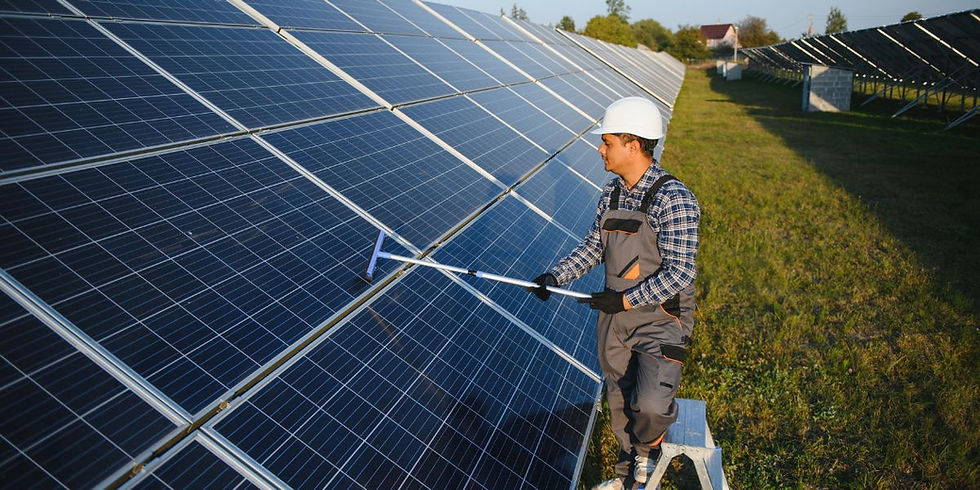
Solar panels are low-maintenance, but "low" doesn't mean "no." Maintenance of the solar panels on an annual basis reveals minor issues before they translate into costly failures, which directly enhances the lifespan of solar panels.
What to check yearly:
Cells or microcracks in glass.
Loose mounting hardware
Corroded connections
Damaged wiring or conduit
Inverter performance
Unusual hot spots
Professional inspection is 150-300 dollars, yet it may save thousands of dollars in repair fees. Thermal imaging helps technicians to identify problems that cannot be detected by the naked eye. They will also ensure that your system is performing as per the expectations.
Cleaning Practices and Dirt Buildup
Dirty panels produce less electricity. Dust, pollen, bird droppings, and pollution create barriers between sunlight and your cells. In dry, dusty areas, cleaning solar panels might be necessary 3-4 times yearly. In regions with regular rain, nature does most of the work.
Safe cleaning tips:
Use soft brushes or squeegees—never abrasive materials
Clean early morning or evening when panels are cool
Use plain water or mild soap solutions
Avoid pressure washers that can crack seals
Most importantly, prioritise safety. Rooftop work is dangerous. If you're uncomfortable with heights or accessing your panels, hire professionals. Protecting solar panel longevity isn't worth risking your safety.
Conclusion
Solar panel longevity depends on multiple controllable factors working together. Quality materials, professional installation, appropriate climate considerations, and consistent maintenance all protect your investment.
By making informed choices and committing to basic care, your solar system can deliver clean energy and strong returns for 30 years or beyond.
Stephens Solar specializes in premium installations designed for decades of performance. Contact us today to ensure your panels deliver clean energy and strong returns for 30 years or beyond.


